Gut Barrier, Zonulin and Butyric Acid
How the gut wall's tight junctions work and how butyric acid supports them.
Erdem Bayraktar — Molecular Biology & Genetics Engineer, Üsküdar University4 November 2026, 5-minute read
A border one cell thick
The inner surface of your small intestine is a single layer of cells. They let nutrients in while limiting bacteria and undigested fragments. Protein complexes called tight junctions close the gap between neighbouring cells.
These gates are not fixed; they open and close through the day. The problem is when they stay open too much and for too long. Medicine calls this increased intestinal permeability; in everyday language it is "leaky gut".
Zonulin: the handle on the gate
Zonulin is a protein that regulates the opening of tight junctions. Work by Alessio Fasano's group showed that zonulin opens this gate, and that certain gut bacteria and gluten components can raise its release.
That is why we assess barrier health not from one result but by reading your complaints, diet and other findings together.
Why butyric acid matters
Butyric acid (butyrate) is a short-chain fatty acid that colon bacteria make by fermenting fibre, and it is the main fuel of colon cells. Cell studies have shown that butyrate helps tight junctions assemble.
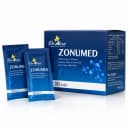
That is why the first step is a varied, fibre-rich diet. L-glutamine is an amino acid used by gut cells; zinc and vitamin D are also linked with barrier function. Zonumed brings these ingredients together in one formula.
From the temperament view
Traditional temperament medicine sees digestion as the body's power to "cook". A body with weakened digestion is described as building up abnormal phlegm (balgam). Our analysis uses both languages side by side: it measures your biomarkers and complaints and reads them through temperament.