The Biochemistry of the 21-Day Nutrition Programme
How the liver processes substances, what bile does, and what an elimination diet is based on.
Erdem Bayraktar — Molecular Biology & Genetics Engineer, Üsküdar University4 November 2026, 6-minute read
Detox is the liver's daily job
The liver makes fat-soluble substances removable in two phases. In Phase I, CYP450 enzymes chemically change the substance. In Phase II, glucuronic acid, sulfate or glutathione is attached so it dissolves in water. It then leaves in urine or bile.
The liver does this every day. The job of food and herbal support is to supply the protein and nutrients this system needs and to reduce loads such as alcohol.
What bile does
Bile acids are made from cholesterol in the liver. They digest fats and are a route out for some substances. A fatty meal triggers the hormone cholecystokinin and the gallbladder contracts.
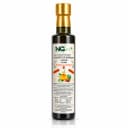
That is the traditional logic of adding olive oil to the morning drink in the protocol: fat prompts bile flow. Most bile acids are reabsorbed in the small bowel, which is why fibre and regular bowel movements are part of this cycle too.
What the 21-day elimination is based on
An elimination diet removes foods that may cause complaints for a time and then adds them back one by one. Its aim is to see which food doesn't suit you. That is why the part of the protocol that produces knowledge is the one-by-one reintroduction phase starting on Day 23.
Our protocol removes dairy, sugar, lentils, dry beans, tomato, potato and eggplant, canned foods, black tea and coffee for 21 days. Long food restriction can cause deficiencies, so the period is limited.
Day 22: doing it safely
In the Day 22 practice, magnesium sulfate works as a strong laxative that draws water into the bowel. It can cause fluid loss and is dangerous with kidney disease. It is not done during pregnancy or breastfeeding. Practices with oil and a laxative may carry risk for people with a history of gallstones, so ask your physician first.
Do not diagnose yourself from what you see during the practice; take your questions to your physician.